
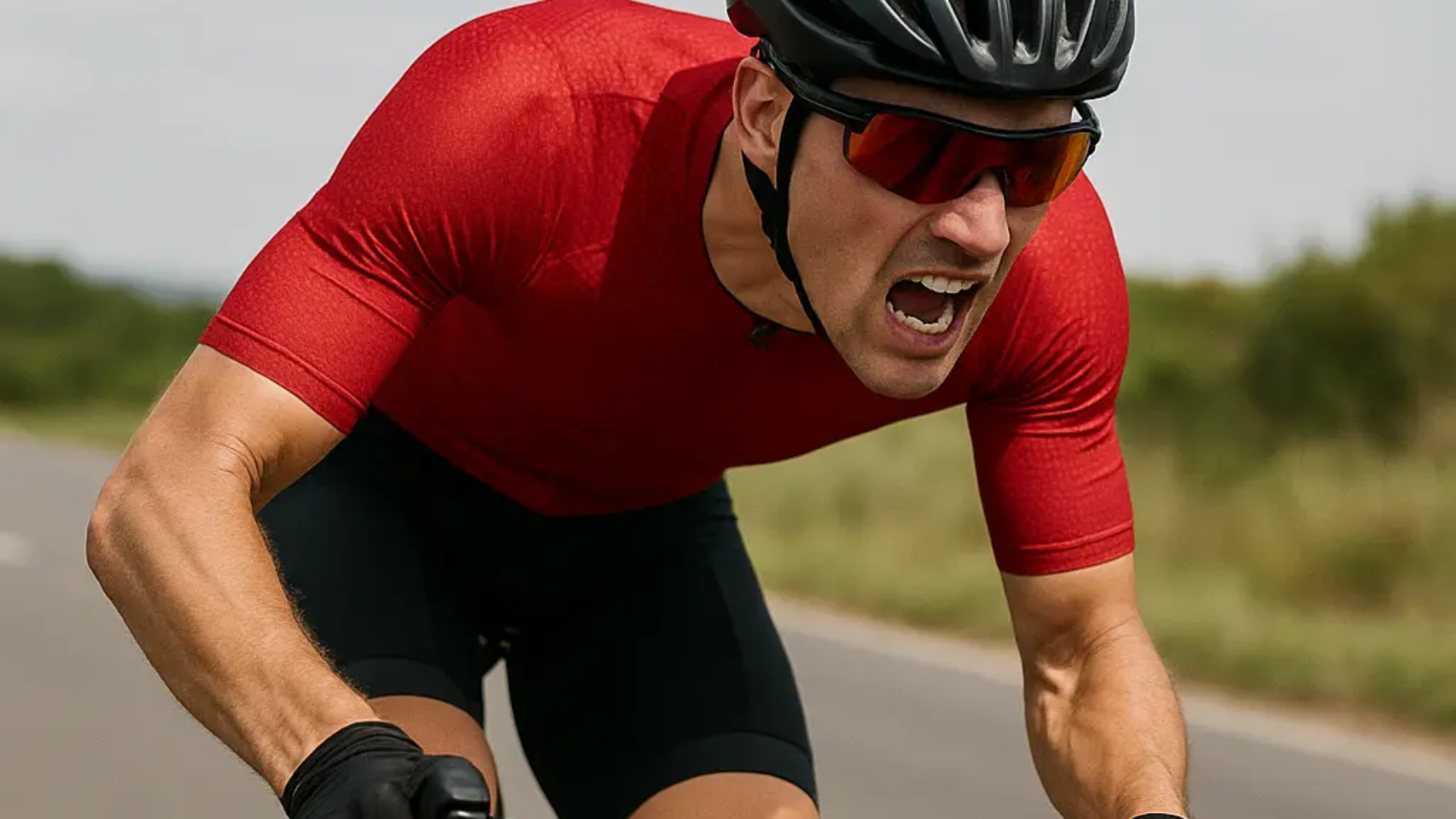
A competitive cyclist is the strongest rider on the road. They ride fast, climb hills, and race against time. They train every day to reach peak speed and endurance. A competitive cyclist cares for the bike, nutrition, and body. They track performance and set clear goals. Their passion drives them to ride long roads, tough climbs, and join big races. Road cycling is their life. They push themselves harder than most. They build strength, skill, and mind. Becoming a competitive cyclist takes focus, dedication, and love for the sport.
Why People Become Competitive Cyclists
People choose competitive cycling for speed, thrill, and challenge. They enjoy racing against friends or clock. Road cycling helps them feel free. Long rides improve stamina and build strong legs. They enjoy open roads and fresh air. Competitive cycling brings discipline and healthy routines. People also pick cycling to stay fit. They burn calories, strengthen the heart, and boost energy. Riding daily gives mental clarity and reduces stress. Cyclists feel proud when they reach a tough hill or beat their previous record. The sport also grows friendships with other riders.
Competitive Synonym
A competitive synonym is a word that has a meaning similar to “competitive.” It describes someone who always wants to do their best and improve. For a cyclist, it shows traits like being ambitious, driven, determined, goal-oriented, and fierce. These words explain the mindset of a competitive cyclist—they push themselves in training, races, and daily rides. Using synonyms helps readers understand that being competitive is not just about speed, but also about focus, dedication, and mental strength.
Core Skills of a Competitive Cyclist
Endurance and Stamina
Endurance is the most vital skill for a competitive cyclist. Riders train many hours each week. They climb hills and ride long roads. They breathe steadily and keep pace even when tired. Water and energy snacks help during long rides. Proper sleep and nutrition build stamina. Over time, cyclists ride farther, faster, and stronger. Their heart and legs get tougher. Endurance lets them finish races and push past limits.
Bike Handling and Control
A competitive cyclist must steer with precision. They brake well, shift gears smooth, and take curves safely. Group riding requires close coordination. Riders lean into turns and maintain balance. Core strength keeps body stable. Helmets, gloves, and proper shoes improve control. Regular practice sharpens reflexes and confidence. Bike control is essential for speed, safety, and top performance.
Essential Equipment and Gear
Road Bike Essentials
A competitive cyclist relies on a light, fast road bike. The frame must fit the body perfectly. Wheels should spin smoothly. The seat must be comfortable for long rides. Handlebars need the right height for control. Pedals should match cycling shoes. Helmets protect the head. Gloves improve grip. Water bottles and cages keep riders hydrated. Tools like spare tubes, patch kits, and mini wrenches are essential for emergencies.
Clothing and Protective Gear
Cycling clothes cut wind and reduce drag. Padded shorts prevent seat pain. Gloves protect hands on long rides. Shoes clip into pedals for maximum power. Bright jerseys or reflectors improve visibility. Sunglasses shield eyes from sun or dust. Rain jackets keep riders dry. Socks that breathe keep feet fresh. Every piece of gear must be lightweight and comfortable for peak performance.
Nutrition for Peak Performance
A competitive cyclist eats to fuel performance and recovery. Meals must provide energy, protein, and vitamins. Carbs give fast energy before rides. Snacks like energy bars or fruits help during rides. Protein and vegetables help muscles recover after long sessions. Hydration is essential to avoid fatigue.
| Meal Time | Recommended Foods | Purpose |
| Before Ride | Oats, banana, toast, water | Quick energy for strong start |
| During Ride | Energy bar, dried fruit, water | Maintain energy and focus |
| After Ride | Protein shake, chicken, veggies | Muscle repair and recovery |
Good nutrition keeps a cyclist strong, alert, and ready for every ride.
Training Plan for Competitive Cyclists
Training builds stamina, strength, and skill. Competitive cyclists follow weekly schedules with variety. They balance long rides, hill climbs, speed workouts, and rest. Progress is measured by distance, speed, and power output.
| Day | Training Plan | Focus |
| Monday | Rest or light spin | Muscle recovery |
| Tuesday | Moderate 20 miles | Endurance |
| Wednesday | Hill climbs 10 miles | Leg strength |
| Thursday | Easy spin 15 miles | Active recovery |
| Friday | Speed intervals 5 x 1 mile | Speed and power |
| Saturday | Long ride 40 miles | Stamina and endurance |
| Sunday | Group ride or rest | Social ride or full recovery |
This plan helps cyclists build strength, avoid burnout, and improve performance steadily.
Bike Maintenance and Safety
A competitive cyclist checks the bike before each ride. Chains, brakes, and tires must work perfectly. Wheels must spin true. Bolts on pedals, handlebars, and seat are tight. Regular cleaning prevents wear and tear.
Safety is critical. Helmets, bright clothing, and reflectors reduce risk. Cyclists follow traffic rules, signal turns, and ride on safe lanes. Watching the road for debris and adjusting speed keeps riders safe. Proper maintenance and habits prevent accidents and extend bike life.
Mindset and Commitment
Discipline is the key to success. Competitive cyclists train in all weather, early mornings, and long days. They push past fatigue, set small goals, and track progress. Mental strength keeps them consistent. Confidence grows with practice and patience. Riders stay humble but aim high. Enjoying the process is as important as performance.
Starting Out as a Competitive Cyclist
Beginners should pick a properly sized road bike. Start with short rides on safe roads. Focus on form and control. Gradually increase distance and intensity. Track rides with a log to monitor progress. Join small group rides to learn from others. Invest in essential gear and clothing. Ride consistently to build endurance, strength, and skill.
Joining the Cycling Community
Cycling clubs and online forums provide support. Riders share tips, plan group rides, and attend events together. Group rides teach pacing, safety, and teamwork. Friendly competition motivates improvement. Community fosters confidence, accountability, and joy in cycling.
Tracking Performance
Competitive cyclists track speed, distance, cadence, heart rate, and power output. They set short-term goals like climbing a hill faster or riding farther. Metrics help measure growth. Small weekly improvements add up. Tracking progress guides training adjustments and boosts motivation.
Overcoming Challenges
Cyclists face rain, wind, steep hills, and fatigue. Cold or hot weather can slow performance. Sore muscles or tired legs can limit rides. Solutions include wearing weather-appropriate gear, pacing rides, proper nutrition, stretching, and resting when needed. Gradual training builds strength for tougher challenges. Planning safe routes reduces risk from traffic and hazards.
Importance of Bike Fit
Correct bike fit prevents pain and injuries. Seat height, handlebar position, and pedal alignment matter. A properly fitted bike improves efficiency, control, and comfort. It helps maintain good posture and avoid strain during long rides. A competitive cyclist checks and adjusts fit regularly to ride safely and perform at top levels.
Long-Term Growth as a Competitive Cyclist
Consistency is key. Follow training, nutrition, rest, and bike maintenance routines. Track progress and set realistic goals. Learn from other riders and coaches. Gradually increase ride intensity and distance. Focus on mental strength and resilience. Over months and years, cyclists develop endurance, speed, skill, and confidence. Patience and dedication ensure lasting growth.
FAQ‘s
Lightweight road bike, helmet, gloves, padded shorts, shoes, water bottles, and repair kit.
Five to six days per week with long rides, speed work, hills, and rest days.
Carbs before ride, snacks like energy bars during ride, protein and vegetables after ride.
Wear helmet, bright clothes, check bike, signal turns, and follow traffic rules.
Track metrics, set goals, follow training plan, maintain bike, rest well, and train consistently.
Conclusion
A competitive cyclist rides with purpose, skill, and determination. They train hard, eat smart, and maintain their bike for peak performance. They face challenges with mental strength and passion.
Starting as a beginner requires patience, proper gear, and a clear plan. Small, consistent improvements lead to endurance, speed, and confidence. Community support and tracking progress help reach goals.
With dedication, a cyclist grows into a top rider. They enjoy every ride, master hills and speed, and maintain a strong body and mind. Becoming a competitive cyclist is a journey of discipline, joy, and achievement.
Leave Your Comment